
Blogs

Why Online Dog Training is the Perfect Choice for Montana
The Convenience and Flexibility of Online Dog Training
In Montana, where the population density is just 7 people per square mile, many dog owners live far from city centers.
Online dog training eliminates the need for travel, allowing you to train your dog from the comfort of your home, whether you're in Billings or on a remote ranch.

Montana, with its vast landscapes and rural lifestyle, offers a unique environment for dog owners. However, the state's low population density and remote locations can make accessing professional dog training services a challenge.
This is where online dog training, also known as virtual dog training, becomes the ideal solution for Montana's dog owners.
The Convenience and Flexibility of Online Dog Training
In Montana, where the population density is just 7 people per square mile, many dog owners live far from city centers.
Online dog training eliminates the need for travel, allowing you to train your dog from the comfort of your home, whether you're in Billings or on a remote ranch.
How Does Online Dog Training Work?
In this video, I explain how virtual dog training works.
Key Benefits:
Accessibility: Train from anywhere, no travel required.
Real-Time Guidance: Get live feedback during sessions via Zoom, just like in-person training.
Recorded Sessions: Access recordings of your training sessions to reinforce learning
PDF Summaries: A summary of your most recent online session is emailed to you after each session..
High Dog Ownership, Limited Local Options
Montana has one of the highest rates of dog ownership in the U.S., with 52% of households owning at least one dog.
Despite this, finding local dog trainers can be difficult due to the state's vast size and rural nature.
Online training bridges this gap by offering personalized, one-on-one sessions that I tailor to you and your dog’s specific needs.
Why Choose Online Training?
Tailored Sessions: Focused on your dog's unique behavior and training needs.
Effective: Real-time feedback helps in transforming your dog's behavior quickly and efficiently.
Owner Training: A vital aspect of dog training that is often overlooked is that dog owners also have to be trained and build a working relationship with their dog.
Suitable for All Ages and Breeds
Online training is suitable for dogs of all ages.
You can start as early as 8 weeks old, which is especially important during the critical imprinting phase of your puppy’s development.
For older dogs, the flexible nature of online sessions allows for gradual and effective habit transformation.
Training at Any Age:
Start Early: Begin as early as 8 weeks, even before vaccinations are complete.
Older Dogs Welcome: Training is effective at any age, though it may take longer to replace old habits.
The Rural Advantage of Virtual Training
For rural Montanans, online dog training offers unmatched convenience.
With nearly half the population living in rural areas, the ability to schedule sessions at convenient times and eliminate travel is a significant advantage.
Why It Works for Rural Areas:
No Travel Needed: Train from your home, no matter how remote.
Consistent Progress: Weekly consultations keep your dog’s training on track.
Owner-Led Success: Without the physical presence of a trainer, you develop a stronger bond and sense of accomplishment with your dog.
See Behind the Scenes Footage of Online Dog Training

Reflecting on My Radio Interview with Adrian Hackshaw on Freedom 106.5FM
Join Marc Windgassen, seasoned dog trainer and Co-Founder of Dogpoint LLC, as he sits down with Adrian Hackshaw on Freedom 106.5FM’s “Betterment with Bass.” Discover why "a dog needs a lot of care" and the importance of "engagement games" like tug of war and fetch. Learn practical training tips, such as introducing a leash to an older dog, and get insights on choosing the right breed for your lifestyle. Marc also shares personal anecdotes, including his experience with Pit Bulls and the significance of proper socialization. This must-read interview is packed with expert advice for every dog owner. Visit Dogpoint LLC to learn more!

Marc Windgassen (left) and Adrian Hackshaw (right)
Last Wednesday, I had the privilege of being interviewed on Freedom 106.5FM, a prominent radio station here in Trinidad and Tobago. The interview was conducted by the vibrant Adrian Hackshaw, known on Instagram as @basstnt3000, during his popular segment "Betterments with Bass." It was a remarkable experience, allowing me to share my insights on dog training, ownership, and handling various breeds, including Malinois, Mastiffs, Pit Bulls, and Rottweilers.
The Importance of Proper Dog Care
We kicked off the discussion with a crucial point that Adrian highlighted: dogs need more than just basic care. As he aptly put it, “A dog needs a lot of care. Even though I have a dog at home and sometimes when you're leaving home, you just look so sad.” This sentiment set the tone for our conversation about the depth of commitment required in dog ownership.
Engaging with Your Dog
One of the key topics we dove into was the concept of engagement. Dogs thrive on mental stimulation and active engagement with their owners. I explained, “Engagement games could be a little tug of war, a game of fetch, or giving your puppy food when it makes eye contact with you.” These activities not only keep dogs mentally active but also strengthen the bond between the dog and its owner.
Adrian was keen to learn more about specific training techniques. He asked, “When you say training, I mean, training them in terms of, you know, a lot of people like to have their dogs in the home.” I responded, “Everything. So from potty training, teaching dogs engagement so that they want to actually work for their owner and get mental stimulation out of that. And you get the cooperation that way.”
Training for Different Needs
Our discussion then shifted to the different needs of dogs based on their roles. For instance, basic obedience is essential for all dogs, but those kept for protection require more advanced training. As I mentioned, “If it is that you have a dog to also protect the home, then you have to get a lot more control into your dog so that you can control a large dog, even in public.”
Adrian inquired about the importance of getting dogs from a young age. “Is it important to get the dogs from a puppy, instead of an adult dog?” he asked. I explained, “Yes, it is easier to deal with a dog from puppy. But before you even get there, you have to consider what breed do I want? What breed suits my lifestyle?”
Choosing the Right Breed
One crucial aspect of dog ownership is choosing the right breed to match your lifestyle. “If you're somebody that is working 10 hours a day, you should probably not get a Belgian Malinois because you would not have time for a dog like this,” I advised. It's vital to select a breed that aligns with your daily routine and energy levels to ensure both you and your dog can lead a happy, balanced life.
Adrian added, “What about space for a dog? Bigger dogs need space. It’s not good to have them too choked up, like some people might have a dog in a kennel right through.” I agreed, “A dog that you want for protection can do absolutely nothing for you in a kennel. If your plan is to put the dog in a kennel, you can get a small breed that makes noise and alerts you that there is somebody.”
Socialization and Family Dynamics
Socialization is another critical factor in dog training. A well-socialized dog is less likely to exhibit aggressive behaviors. I emphasized, “It is your responsibility to train the dog for those things. It is not the groomer's responsibility.” Proper socialization from a young age helps dogs adapt to various environments and people, reducing the risk of problematic behaviors.
Adrian asked about introducing larger dogs into a household with smaller dogs. “How does that work?” he queried. I responded, “If the introductions are done correctly, generally it is not a huge issue. Dogs don't really care too much about size the way we do. It's more about attitude than anything else.”
Addressing Common Concerns
We also tackled common concerns, such as the fear surrounding certain breeds like Pit Bulls. “Pit Bulls can be really good dogs, they can be really good family dogs. I personally had one, just to prove it, and it was my son's age,” I shared. Proper training and understanding of a dog's genetic background play a significant role in shaping their behavior.
Adrian brought up an interesting point, “Now people are usually scared of the Pit Bulls. You know, dangerous dogs. But where do you stand with Pit Bulls?” I explained, “It depends on the genetics. Pit Bulls can be really good dogs but there's also a gene that some carry, which produces an unwillingness to give up. And so once they bite, they don't stop.”
Practical Training Tips
Adrian and I also discussed practical training tips for everyday scenarios. For instance, introducing a leash to an older dog can be challenging. I suggested, “You can practice that in the yard. You put the leash on him and you call him to you with some food.” Gradual introduction and positive reinforcement can make the process smoother for both the dog and the owner.
Dogpoint LLC and Freedom 106.5FM
Throughout the interview, I had the opportunity to promote my dog training services. At Dogpoint LLC, we offer various training options, including in-person sessions, virtual training, and group classes. Our website, dogpoint.pet, provides access to over 300 educational videos, blogs, and podcasts, helping dog owners worldwide.
Adrian Hackshaw's thoughtful questions and warm hospitality made the interview a delightful experience. I want to extend my heartfelt thanks to him for hosting me on "Betterments with Bass." I also want to express my gratitude to Freedom 106.5FM and their holding company, Guardian Media Limited, for providing this platform to share valuable insights on dog training and ownership.
For anyone interested in professional dog training services, feel free to visit my appointments page or contact me directly. Let's work together to ensure your furry friends receive the care, training, and love they deserve.

The Truth About Pit Bulls: Myths, Facts, and Realities
Pit bulls can be loving family pets when bred and raised responsibly. Understand their needs, commit to proper training, and ensure early socialization for a great companion.

Pit bulls are a breed often shrouded in controversy and misunderstanding. As a dog trainer with extensive experience, I want to shed some light on what it's really like to own a pit bull and whether this breed is the right fit for you. Let’s dive into the facts, debunk some myths, and provide a balanced perspective on these remarkable dogs.
The Pit Bull Myth
Firstly, it’s crucial to acknowledge that pit bulls, when bred properly, can be fantastic family dogs. They are often good with children, displaying a high tolerance and affectionate nature. However, the breed has faced significant challenges due to irresponsible breeding practices and misconceptions about their behavior.
The Game-Bred Gene: Understanding the Risk
One of the key concerns with pit bulls is the presence of a "game-bred" gene in some individuals. This gene can make a pit bull unwilling to give up, even when it would be prudent to do so. In extreme cases, this can lead to aggressive behavior that is difficult to manage. For instance, there have been reports of pit bulls continuing to bite even after their target is no longer a threat, driven by an over-aroused state.
The Role of Responsible Ownership
Many governments respond to these incidents by imposing breed-specific legislation, which often leads to bans on pit bulls. However, breed-specific legislation is not the most effective solution. Instead, holding owners accountable for their dogs' actions could prove more beneficial. Making owners responsible can encourage more responsible breeding and training practices.
The Challenge of Traceability

Purebred dogs typically come with detailed pedigrees, allowing owners and breeders to trace lineage and identify any problematic genes. Unfortunately, pit bulls often lack a robust breed standard, making it difficult to ensure the genetic quality of individual dogs. This is compounded by the prevalence of backyard breeders who prioritize profit over temperament and health.
Finding a Reputable Breeder
For prospective pit bull owners, finding a reputable breeder is paramount. Ethical breeders invest in the health and temperament of their dogs, ensuring they are well-socialized and free from genetic issues. While it can be challenging, it is possible to find breeders dedicated to producing high-quality pit bulls.
My Personal Experience
On a personal note, I’ve had the privilege of owning a well-bred pit bull. She was a wonderful companion for 16 years, demonstrating the potential for pit bulls to be loving, loyal family pets. She was not particularly fond of other dogs, but she was fantastic with my family, proving that with the right breeding and upbringing, pit bulls can thrive as household pets.
Is a Pit Bull Right for You?
Deciding if a pit bull is the right breed for you involves considering several factors:
Commitment to Training: Pit bulls require consistent and effective training from an early age.
Socialization: Early and ongoing socialization is crucial to help pit bulls develop good behavior around other dogs and people.
Exercise Needs: Pit bulls are energetic and need regular exercise to stay healthy and happy.
Understanding Breed Traits: Be aware of the potential for the game-bred gene and take steps to manage arousal and prevent aggressive behavior.
Conclusion
Pit bulls can be exceptional pets when bred responsibly and raised with care. While there are inherent risks due to genetic factors and breeding practices, informed and committed owners can provide pit bulls with a loving and structured environment. By promoting responsible ownership and breeding, we can ensure that these dogs receive the care and respect they deserve. If you are considering a pit bull, make sure you are prepared for the responsibility and ready to invest in their training and well-being.
Most Importantly, do your due diligence and research breeders properly.
If you’ve read this blog and still unsure as to whether the Pit Bull is the right breed for you and your family, or you would like to train with me, book a consultation by visiting my appointments page.
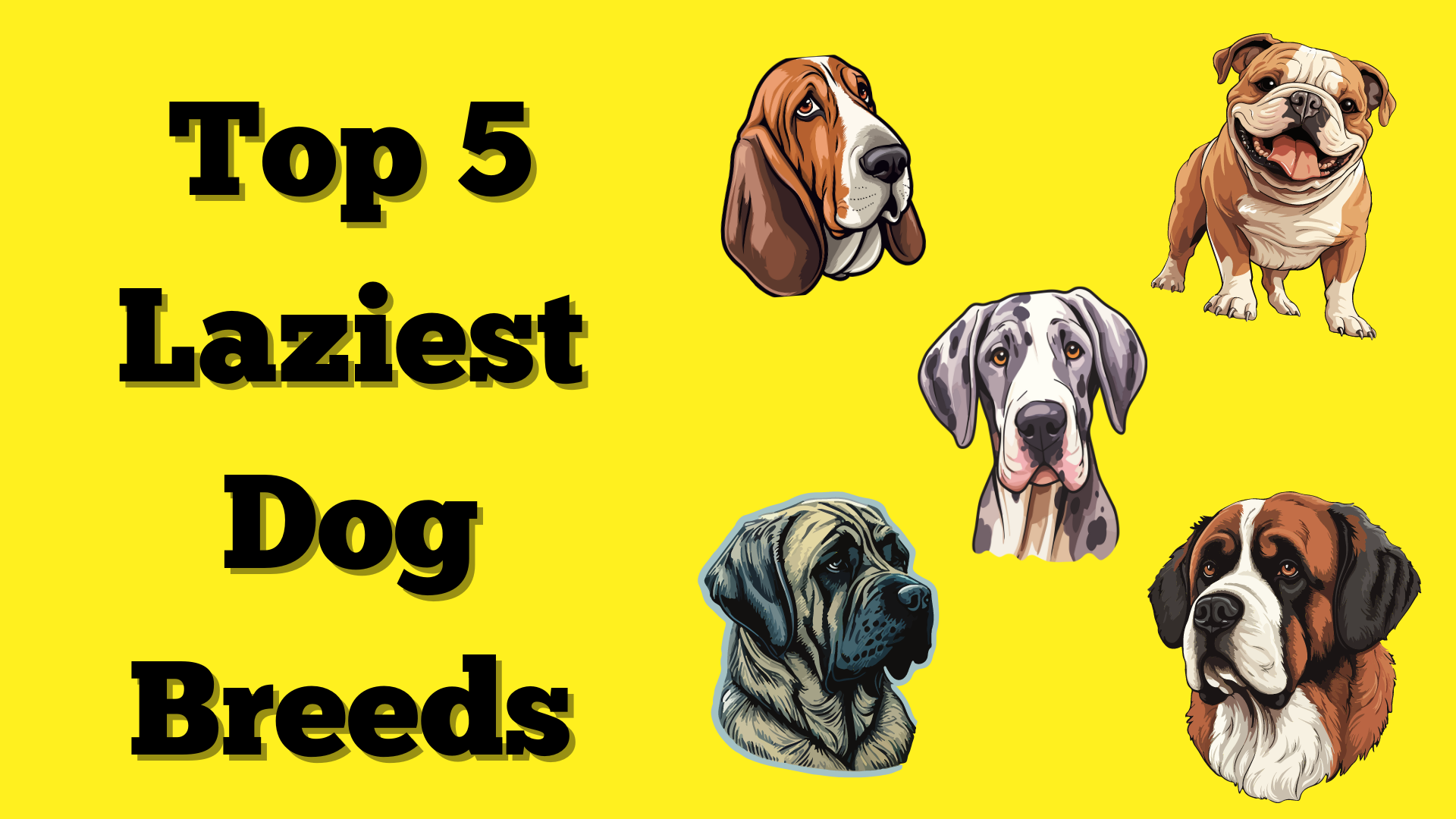
Top 5 Laziest Dog Breeds
Ever dreamt of a dog that loves lounging around as much as you do? If you're looking for a laid-back pooch, this list is for you. From the charming Basset Hound that howls like an opera singer to the gentle giant Great Dane, discover the top five laziest dog breeds. Each one brings its own unique charm to a lazy day at home. Click "Read More" to find your perfect couch companion!

Ever dreamt of a dog that loves lounging around as much as you do? Whether you're a busy professional or simply someone who enjoys a more relaxed lifestyle, having a low-energy dog can be a perfect match. Let's take a fun look at the top five laziest dog breeds that will happily join you in your laid-back approach to life.
1. The Basset Hound

The Basset Hound, often mistaken for a furry pillow, is notorious for its relaxed demeanor. This breed seems almost allergic to movement, seamlessly blending into its surroundings. You might even forget you have a Basset Hound until it starts howling like an opera singer, reminding you of its presence.
Pros:
Low exercise needs
Great for apartment living
Affectionate and good with kids
Cons:
Prone to obesity
Can be stubborn during training
Loud howling can be disruptive
2. The English Bulldog

The English Bulldog is the epitome of a couch potato. Unless it's absolutely necessary, this breed prefers to remain stationary. English Bulldogs get out of breath just from jumping off the couch and making a short dash to their food bowl.
Pros:
Low energy, perfect for a relaxed lifestyle
Gentle and good with children
Minimal grooming needs
Cons:
Prone to health issues (breathing problems, hip dysplasia)
Can be stubborn and difficult to train
Requires a controlled diet to prevent weight gain
3. The Great Dane

Despite their imposing size, Great Danes are surprisingly low-energy. After a brief burst of activity, like a game of tug-of-war, these gentle giants are ready to fall asleep again. Watching a Great Dane respond to commands in slow motion is quite a sight, and their calm nature makes them perfect for a laid-back household.
Pros:
Gentle and friendly nature
Good with children and other pets
Protective without being aggressive
Cons:
Requires a lot of space due to their size
Short lifespan (average 7-10 years)
Prone to health issues like bloat and hip dysplasia
4. The English Mastiff

The English Mastiff may be a guardian breed, but don't be fooled by its imposing size and bark. Weighing in at over 200 pounds, this dog prefers lounging to leaping. When there's nothing to bark at or protect, the English Mastiff enjoys nothing more than a good, long nap.
Pros:
Calm and gentle demeanor
Protective and loyal
Minimal exercise needs
Cons:
Requires a lot of space due to their size
Drooling can be excessive
Short lifespan (average 6-10 years)
5. The St. Bernard

Known for their heroic rescues in the Swiss Alps, St. Bernards are surprisingly lazy when off-duty. These massive dogs are more than happy to lounge around the house all day if given the chance. Motivating a St. Bernard to exercise can be a challenge, as they are content being giant, furry couch potatoes.
Pros:
Gentle and patient with children
Protective and loyal
Low exercise needs for their size
Cons:
Requires a lot of space due to their size
Prone to health issues like hip dysplasia and heart problems
Drooling can be excessive
Conclusion
If you're looking for a furry friend to match your laid-back lifestyle, any of these five breeds will fit the bill. Whether it's the charming Basset Hound, the laid-back English Bulldog, the gentle Great Dane, the docile English Mastiff, or the relaxed St. Bernard, each of these breeds brings their own unique charm to a lazy day at home. Just remember, even the laziest dogs need some exercise and mental stimulation to stay healthy and happy.

Top 3 Family Dogs I Recommend as a Dog Trainer
Looking for the ideal family dog? Discover why Golden Retrievers, Labrador Retrievers, and German Shepherds are perfect choices. Learn about their loving nature, adaptability, and family-friendly traits. Find out how to manage their unique needs and why these breeds consistently shine as top picks for families. Click to uncover which breed might be the best fit for your home!

When it comes to choosing the perfect family dog, there are a few breeds that stand out for their loving nature, adaptability, and family-friendly traits. As an experienced dog trainer, I've had the pleasure of working with numerous breeds, and these three consistently shine as my top choices for families.
1. The Golden Retriever

A picture of a Golden Retriever provided by Unsplash
Golden Retrievers are often considered the epitome of a family dog and America’s golden child. They are incredibly loving and have a gentle temperament, making them great with children. Here’s why they make such excellent family pets:
Social Butterflies: Golden Retrievers are super social and generally friendly with everyone, including other pets.
Easy to Train: Their eagerness to please and high intelligence make them one of the easiest breeds to train.
Versatile: They adapt well to both indoor and outdoor living, making them a flexible addition to any family.
However, potential owners should be aware that Golden Retrievers shed a lot and can be quite destructive during their puppy and adolescent stages. Regular grooming and plenty of toys can help manage these challenges.
2. The Labrador Retriever

A picture of a black Labrador Retriever provided by Unsplash
Labrador Retrievers are another fantastic choice for families. They share many of the same positive traits as Golden Retrievers, but with a few key differences:
Friendly and Loving: Labs are known for their affectionate nature and are great with kids.
Energetic and Playful: They have a playful spirit and need plenty of exercises to keep them happy and healthy.
Trainable: Like Golden Retrievers, Labradors are intelligent and eager to learn, which makes training them a breeze.
One thing to keep in mind with Labs is their higher hunting drive. This means you’ll need to be cautious if you have smaller pets or live in a neighborhood with lots of small animals. Regular exercise and mental stimulation are crucial to keep their natural instincts in check.
3. The German Shepherd

A picture of my late German Shepherd ‘Ninja’ taken by my son, Michael Windgassen
The German Shepherd is renowned worldwide as one of the most versatile and loyal dog breeds. Here’s why they make an excellent choice for families:
Loving and Protective: German Shepherds are deeply loyal and affectionate, particularly with children. They also function as natural guardians.
Highly Adaptable: They can adapt to most living situations and handle changes in routine well.
Companionship: German Shepherds love to be with their family members and will follow you around, providing constant companionship.
While they are fantastic family dogs, German Shepherds require consistent training and socialization from an early age. They thrive on having a job to do, so engaging them in activities and training sessions is essential to keep them mentally and physically satisfied.
Conclusion
Choosing the right dog for your family is an important decision. Golden Retrievers, Labrador Retrievers, and German Shepherds are three breeds that offer exceptional qualities, making them stand out as top family dogs. Each breed has its unique characteristics and needs, so it's crucial to consider your family’s lifestyle and preferences when making your choice. With the right care and training, any of these breeds can become a beloved member of your family, bringing joy, loyalty, and companionship for years to come.
If you’ve read this blog and still unsure as to which family dog is the right breed for you and your family, book a breed consultation with me by visiting my appointments page.

Top 3 Dogs I Wouldn’t Want to Own as a Dog Trainer
Ever wondered which dogs I, as a professional dog trainer, would steer clear of owning? In my latest blog, I share my candid opinions on the top three breeds that just don’t make the cut for me. From the feisty Chihuahua to the health-challenged Pug, and the majestic but impractical Caucasian Mountain Dog – discover why these dogs aren’t on my wishlist. Plus, get some practical tips on choosing the right dog for your lifestyle. Curious? Read on for a light-hearted yet insightful look into the world of dog ownership!

Today, we’re diving into a topic that might ruffle some fur but needs addressing: the top three dogs I wouldn’t want to own as a dog trainer. Now, don’t get me wrong, every dog has its charm, but there are certain breeds that just don’t fit into my lifestyle or training preferences. So, let’s jump in!
1. The Chihuahua – Pocket-Sized Demons
Let’s start with the Chihuahua. These little guys might fit in your handbag, but don’t let their size fool you. Chihuahuas are like tiny tornadoes of teeth and attitude. Imagine trying to train a dog that thinks it’s ten feet tall and bulletproof.
Why wouldn’t I want one? Well, Chihuahuas seem to have a built-in defense mechanism that involves biting anything and everything. I’ve worked with rescue dogs with mental issues, but these little rascals can give even the most seasoned trainer a run for their money. Their feistiness is cute to some, but for me, it’s like trying to tame a miniature lion on caffeine.
2. The Pug – A Health Crisis on Four Legs
Next up, we have the Pug. Oh, Pugs, those adorable squished faces and bulging eyes can melt your heart, but let’s talk reality. Pugs in their current form are a genetic health crisis. They have so many health issues that owning one feels like having a lifetime subscription to the vet’s office.
Why wouldn’t I want one? The constant wheezing, the struggle to breathe, and the plethora of other health problems make Pugs a challenging pet. Until breeders start focusing on bringing back the longer-nosed, healthier Pug, it’s a no from me. It’s like adopting a bundle of medical bills with a tail.
3. The Caucasian Mountain Dog – A Bear in a Dog Suit
Lastly, the Caucasian Mountain Dog. This breed is majestic, powerful, and incredibly loyal. But here’s the kicker – they’re designed to guard livestock in rugged mountain terrains against predators like wolves and bears.
Why wouldn’t I want one? Simple – I don’t live in the mountains, and I don’t have livestock to protect. These dogs are enormous, hairy, and require a specific environment to thrive. Owning one in a suburban setting would be like having a bear in a dog suit lounging on your couch. It’s just not practical.
Final Thoughts
Every dog breed has its unique traits and quirks. As a dog trainer, I’ve encountered all kinds, and while these three breeds might not fit into my life, they could be perfect for someone else. Remember, choosing a dog is about finding the right match for your lifestyle and needs.
If you’re considering getting a dog, think about your living situation, your ability to handle potential health issues, and the dog’s natural instincts and behaviors. And if you ever need help with training or advice, you know where to find me!

Top 5 Things You Need to Teach Your Dog
Training your dog can seem daunting, but focusing on key areas makes all the difference. Start with engagement to ensure your dog finds you the most exciting thing in their world, making training easier. Next, crate training provides structure, aids in potty training, and prevents problem behaviors. Teaching loose leash walking is crucial for enjoyable and stress-free walks. Proper socialization helps your dog become calm and confident in various environments. Finally, focus on basic obedience commands like sit, down, come, and heel. These foundational skills make life easier for you, your dog, and everyone who interacts with them. By concentrating on these five areas, you'll raise a well-behaved and happy companion.

Training a dog can seem overwhelming, but focusing on a few key areas can make a world of difference. Here are the top five things you need to teach your dog to ensure a well-behaved, happy, and healthy companion.
1. Engagement
Engagement is the cornerstone of all dog training. If your dog isn't interested in being around you, training becomes much more challenging. Engagement means making yourself the most exciting thing in your dog’s world. Play games like fetch and tug of war, call your dog to you frequently, and reward them with treats and praise. By doing fun activities together, your dog will naturally want to stay close and pay attention to you, making training much easier.
2. Crate Training
Crate training is essential for several reasons. It aids in potty training, prevents problem behaviors, and helps avoid separation anxiety. A crate provides structure and routine, making it easier for your dog to understand what is expected. Additionally, a crate ensures your dog’s safety when you can't supervise them, preventing them from chewing on dangerous items or getting into trouble. Think of it like a crib or playpen for a child—it's a safe space for them when you can’t be there to watch over them.
3. Loose Leash Walking
Teaching your dog to walk on a loose leash is crucial for enjoyable walks. Your dog doesn't need to walk in a perfect heel position but should be able to walk calmly without pulling, dragging, or crisscrossing in front of you. Loose leash walking makes outings pleasant and safe for both you and your dog, reducing stress and potential injuries.
4. Socialization
Proper socialization is about exposing your dog to various environments, people, and other dogs in a controlled manner. It doesn't mean your dog needs to interact with every person or dog they meet, but they should be able to remain calm and indifferent to different stimuli. This helps your dog become environmentally neutral, ignoring distractions and focusing on you. A well-socialized dog is more confident and less likely to develop behavioral issues.
5. Basic Obedience
Basic obedience commands like sit, down, stand, come, and heel are fundamental. These commands form the foundation for good behavior and are essential for your dog’s safety. Basic obedience makes life easier for you, your vet, your groomer, and anyone else who interacts with your dog. Consistent training in these areas ensures your dog understands what is expected and behaves appropriately in various situations.
By focusing on these five key areas—engagement, crate training, loose leash walking, socialization, and basic obedience—you'll have a well-rounded, well-behaved dog. Training takes time and patience, but the effort is worth it for a happy and harmonious relationship with your furry friend.

Why First-Time Dog Owners Should Think Twice Before Getting a Rottweiler
Rottweilers are powerful, loyal, and intelligent dogs, but they require extensive training and socialization, making them unsuitable for first-time dog owners. Their strength, headstrong nature, and the need for continuous guidance demand an experienced handler to ensure they grow into well-behaved companions.

This is an image of my Rottweiler named Force, taken by Michael Windgassen
Rottweilers are undoubtedly magnificent dogs, known for their strength, loyalty, and intelligence. However, they are not the best choice for first-time dog owners. Here’s why:
1. High Training and Socialization Needs
Rottweilers require extensive training and early socialization. From the moment they come home, they need consistent and structured training sessions. They thrive on routine and need to be taught how to behave in various situations. This isn't a one-time effort but a continuous process that demands dedication and patience.
2. Behavioral Changes
In the first three years of their lives, Rottweilers go through significant behavioral changes. These changes require a keen understanding of dog behavior and an ability to adapt training methods accordingly. Without this knowledge, managing a Rottweiler can become overwhelming.
3. Physical Strength and Control
Rottweilers are powerful dogs. If you’re not accustomed to handling large breeds, walking a Rottweiler in public can be a challenge. They can be headstrong and require a firm yet gentle hand to guide them. Without proper control, situations can quickly become difficult to manage, especially around other dogs or distractions.
4. Exploiting Weaknesses
Rottweilers have a knack for sensing and exploiting their owner's weaknesses. If you’re inconsistent or unsure in your training methods, they will pick up on this and may become difficult to handle. Establishing yourself as a confident and knowledgeable leader is crucial, and this can be particularly challenging for first-time dog owners.
5. Risk of Aggression
A poorly trained and socialized Rottweiler can pose a risk of aggression, particularly if they suddenly sense a change in their owner's behavior. If a Rottweiler hasn’t experienced firm and consistent leadership in its early years, attempting to assert dominance later on can lead to growling or worse. It’s essential to establish boundaries and leadership from day one.
Conclusion
Owning a Rottweiler can be incredibly rewarding for those who are well-prepared and experienced. However, for first-time dog owners, the demands of this breed might be too great. It’s important to honestly assess your ability to meet these needs before bringing a Rottweiler into your home. If you’re looking for a more manageable breed to start your dog-owning journey, consider a breed that better suits a beginner's lifestyle and capabilities.
Rottweilers are wonderful companions for the right owner, but they require experience, knowledge, and a commitment to continuous training. Think carefully and choose wisely.
If you’ve read this blog and still unsure as to whether the Rottweiler is the right breed for you and your family, book a breed consultation with me by visiting my appointments page.

New Podcast Episode! Discover the Force-Free Dilemma with Nicola Ferguson!
In Episode 11, we have a special guest from the UK, Nicola Ferguson, who is the author of "The Force Free Dilemma." 📚 Nicola is an experienced dog trainer specializing in Rottweilers and other large, high-drive breeds. She shares her insights on the force-free training debate, the importance of setting boundaries, and how to handle high-drive dogs effectively.

The Dogpoint Podcast Episode 11
We're excited to bring you a brand-new episode of The Dogpoint Podcast! 🎙️
In Episode 11, we have a special guest from the UK, Nicola Ferguson, who is the author of "The Force Free Dilemma."📚 Nicola is an experienced dog trainer specializing in Rottweilers and other large, high-drive breeds. She shares her insights on the force-free training debate, the importance of setting boundaries, and how to handle high-drive dogs effectively.
Highlights from this episode:
Introduction to Nicola Ferguson: Learn about Nicola's journey in dog training and her passion for working with high-drive breeds.
The Force-Free Training Debate: Understand the pros and cons of force-free training and why Nicola believes balanced training is crucial for certain dogs.
Real-Life Stories: Hear compelling stories about dogs that were saved through balanced training methods.
Practical Tips: Get practical advice on how to train high-drive dogs and ensure their safety and happiness.
We hope you enjoy this episode as much as we enjoyed recording it. Nicola's insights are sure to spark some thoughts and perhaps even a few debates! Don't forget to share your thoughts with us on our social media channels.
Thank you for being a part of our community and for your continued support. Stay tuned for more exciting episodes!
To train with me, visit my appointment scheduling page.

THE CURRENT STATE OF PUGS IS HORRIFYING!
Unethical breeding has led to severe health issues in pugs, including respiratory problems and hip dysplasia. Ethical breeding practices, like health testing and prioritizing functional traits, are essential. Educating dog owners on choosing responsible breeders can improve pug health and well-being.

This breed has fallen victim to dare I say, unprecedented levels of backyard breeding by unethical breeders. This has reduced dogs of this breed to ones with an inadequate respiratory system especially when it comes to its nostrils due to the flat face and an insufficiently sized skull which causes both neurological problems as well as the eyes to bulge and even pop out of their sockets as they age.
Don't even get me started on the unstable genetics that's a result of poor breeding practices such as inbreeding, specifically trying to bring out recessive genes, or just a straight up disregard for any sort of proper research and investigation into lineage.
Pugs currently face several health problems such as:
Brachycephalic Obstructive Airway Syndrome (BOAS) - This condition is related to the short and flat skull shape, causing severe breathing problems.
Hip Dysplasia (Coxofemoral Dysplasia) - A genetic disorder where the hip socket does not fully cover the ball portion of the upper thighbone.
Pug Dog Encephalitis (PDE) (Necrotizing Meningoencephalitis) - A fatal inflammatory disease of the central nervous system.
Keratoconjunctivitis Sicca (KCS) - Also known as "Dry Eye," where there is a deficiency in tear production leading to corneal damage and discomfort.
Luxating Patella (Patellar Luxation) - A condition where the kneecap dislocates or moves out of its normal location.
Stenotic Nares - Narrowed nostrils that cause breathing difficulties.
Entropion - A condition where the eyelid rolls inward, causing the eyelashes to rub against the cornea.
Hemivertebrae - Malformations of the vertebrae, often seen in the screw tails of pugs, which can lead to spinal problems.
Elongated Soft Palate - Excess tissue in the soft palate that obstructs the airway and causes breathing issues.
Dermatitis - Skin inflammation, often due to skin folds trapping moisture and leading to infections.
Thankfully some good hearted breeders are trying to restore the legacy pug with a longer muzzle and proper skull structure with stable genetics but this will take time as well as mass education of the current and future dog owner community. As a dog trainer and someone who above all else has the best interest of dogs at heart, it pains me to see people encourage and support these unethical pug breeders.
It's imperative that we, as a community, start holding breeders accountable and push for stricter regulations and standards in breeding practices. Educating potential dog owners on the importance of choosing ethical breeders and the long-term health benefits for the dogs is crucial.
Ethical and responsible breeding practices are crucial to improving the health and quality of life for pugs. This includes:
Health Testing: Breeders should screen breeding dogs for genetic conditions like hip dysplasia and PDE.
Prioritizing Function over Form: Selecting for longer muzzles and less extreme brachycephaly can significantly improve respiratory health.
Outcrossing: Introducing genetic diversity into the breed can help to reduce the prevalence of inherited diseases.
We must advocate for the health and well-being of these animals and work towards eliminating the demand for poorly bred dogs. By doing so, we can ensure that future generations of pugs, and all dogs, can lead healthier, happier lives.